Your First Assessment: What We Measure And Why

Before you throw a punch at BOXLAB, we measure where your body is today, movement, heart rate, core endurance. Not to judge you, but so that in eight weeks we can prove what changed.
Most gyms start you with a workout. We start you with a baseline, because you cannot manage what you never measured, and you cannot celebrate progress you cannot see.
Your first session at BOXLAB includes a structured assessment. It is not a test you can fail. It is the "before" photo for everything that follows, and every number in it exists to make your programme safer and your progress visible.
What we look at
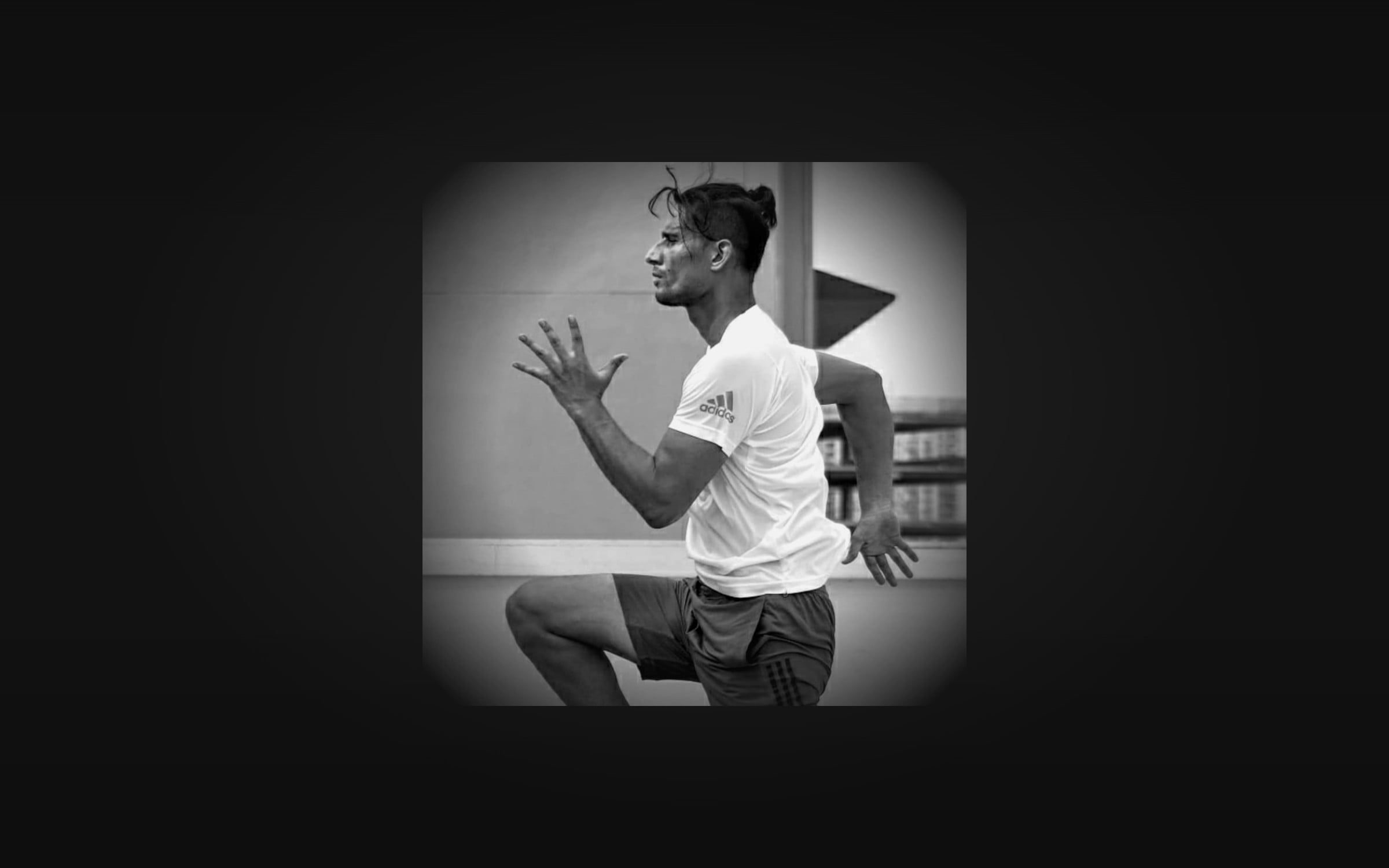
- Movement screen, how your shoulders, hips and spine actually move. Restrictions here shape which exercises we load and which we rebuild first
- Resting heart rate, the simplest window into your aerobic engine and recovery state
- Core endurance, timed holds that predict how well you will hold posture through rounds
- Training history and injuries, the context every good coach needs before writing week one
Why the movement screen matters most
A surprising number of adults arrive with a shoulder or hip that has quietly stopped moving through its full range, desks do that. Load a restricted joint hard and it complains; screen it first and we can work around it while we restore the range. This is the single biggest reason assessment-first training produces fewer injuries than jump-straight-in training.
“We are not testing whether you are fit enough to start. We are learning what your start should look like.”
The retest is the point
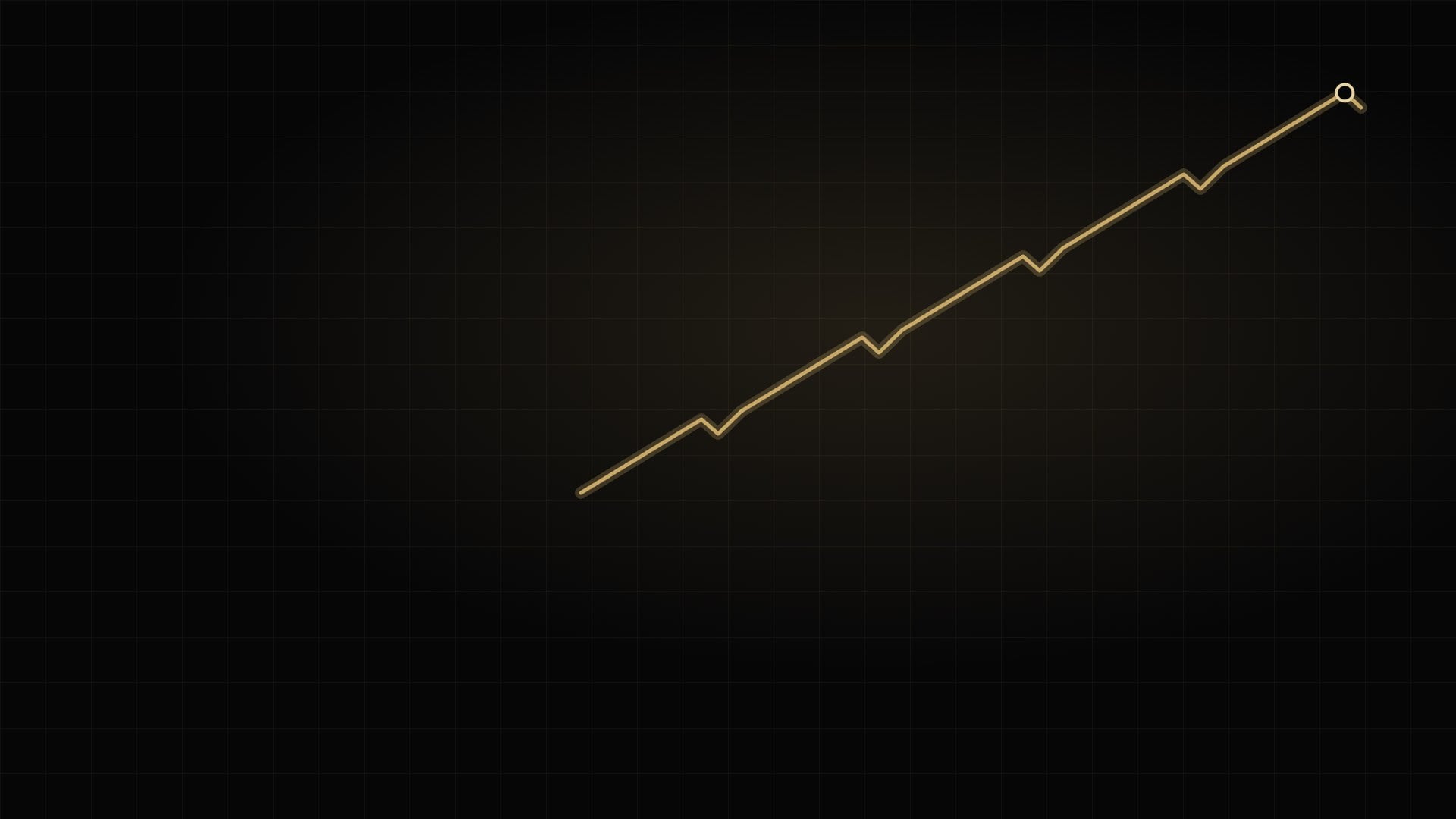
Every measurement is repeated on schedule, typically at eight to twelve weeks. That is where the assessment pays off: resting heart rate down six beats, plank up thirty seconds, a shoulder that clears overhead for the first time in years. Not feelings. Numbers, on a page, in your portal.
Progress you can see is progress you protect. Members who watch their own graphs are the ones still training a year later, and that, more than any single session, is what actually changes a body.
Put the science to work
Train with the team behind the article, in the gym or from home.