Starting Boxing After 40: What The Science Says

The fastest-growing group in boxing fitness isn't twenty-somethings, it's people in their forties and fifties. The research says they might be the ones who need it most, and gain from it most.
There is a sentence we hear at the front desk more than any other, always delivered half as a question: "Am I too old for this?" The people asking are usually in their forties or fifties, usually fitter than they think, and usually surprised by the answer, which is that the science suggests they have more to gain from boxing training than the twenty-five-year-olds beside them.
What actually declines with age, and what reverses it
From roughly our mid-thirties, untrained adults lose muscle steadily, and they lose muscle *power*, the fast, forceful stuff, about twice as quickly as raw strength. Power is the quality that gets you up stairs briskly, catches a stumble, lifts a suitcase into an overhead bin. It is also, not coincidentally, exactly what punching trains: fast hip extension, fast rotation, repeated for rounds.
Resistance and power training in middle age doesn't just slow this slide, study after study shows it partially reverses it. The tissue remains trainable for decades. What goes missing with age is not the ability to adapt; it is usually just the stimulus.
The brain benefits are not a bonus, they're the headline
Boxing training layers coordination, reaction and decision-making on top of the physical work, call out "one-two-five" and a brain has to translate language into a cross-body movement pattern under fatigue. This session of complex, cognitively demanding exercise is precisely what ageing-brain research keeps pointing toward: movement that makes the mind work protects the mind.
“You don't stop training because you got older. Much of what we call ageing is what happens when you stop training.”
How we make it safe
- Assessment first, your movement screen shapes the plan, so restricted shoulders or cranky knees are worked around, then worked on
- Load is personal, the round structure self-scales; your 100% and the person's next to you never need to match
- Readiness tracking, recovery takes a little longer past forty, so we watch the data and space the hard days accordingly
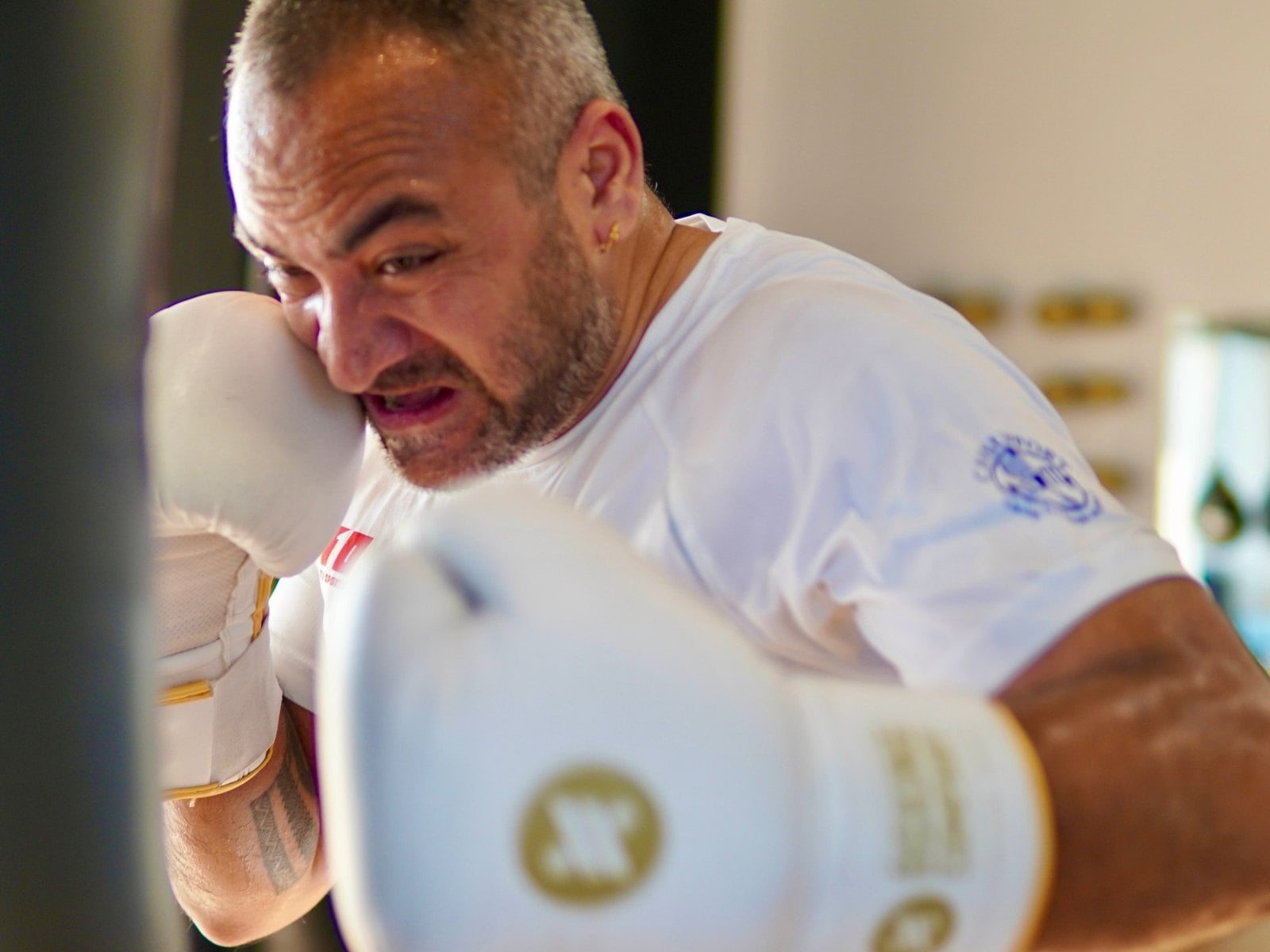
- No sparring, ever, in fitness sessions, the bag absorbs everything
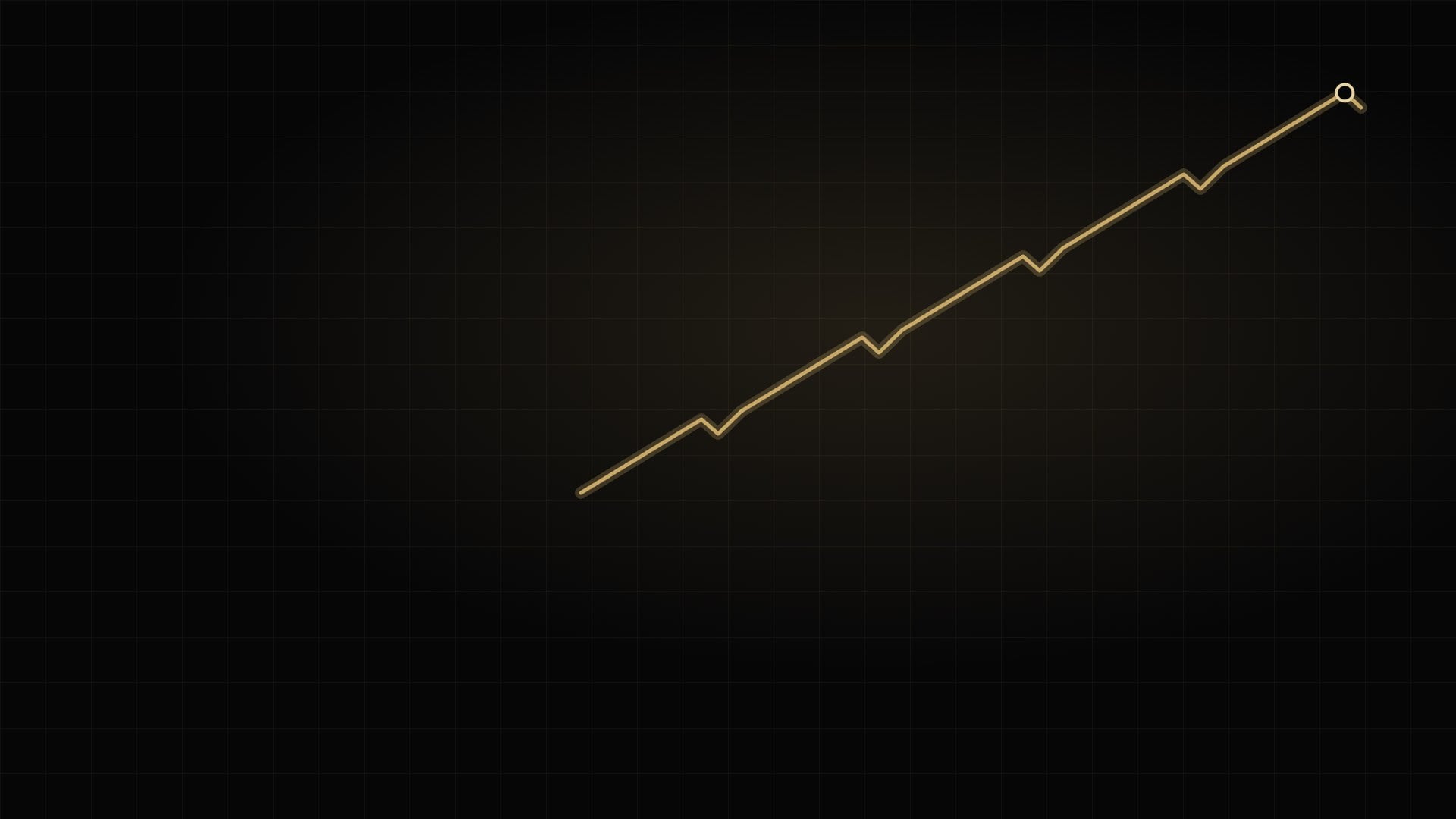
Our members in their forties and fifties are, reliably, the most consistent people in the gym. They are not here despite their age. Most of them are here because of it, and their graphs climb just the same.
Put the science to work
Train with the team behind the article, in the gym or from home.