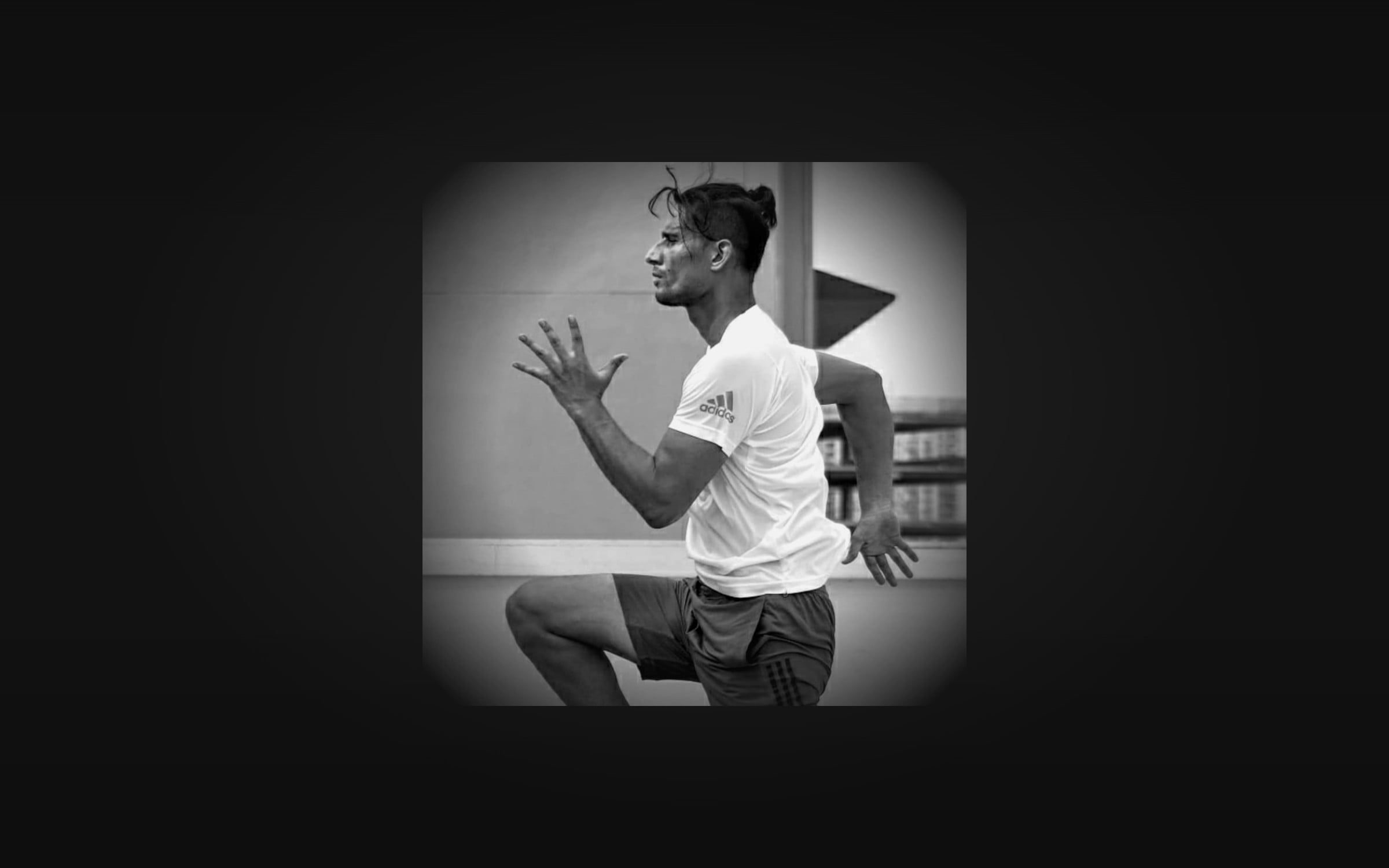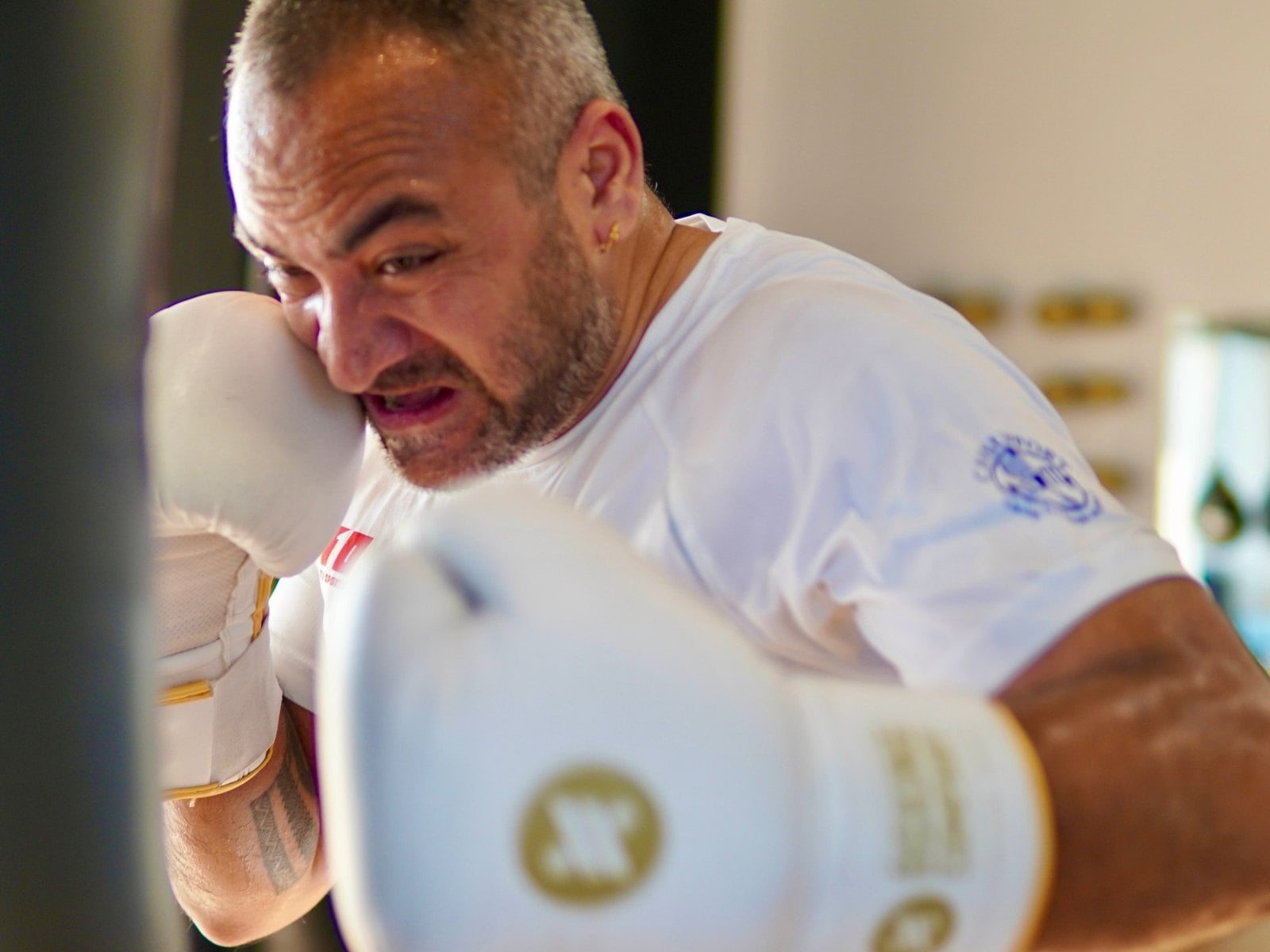

Jab, cross, lead hook, rear hook, lead uppercut, rear uppercut. Six movements, six different jobs, and six different demands on your body. This is the anatomy of the system every BOXLAB session is built on.
Every combination you will ever throw at BOXLAB is built from six punches. We number them one to six, it's the language of the session, but each number is also a distinct movement problem for your body to solve.
1 & 2, the straight punches
The jab (1) is the lightest punch and the most important. It travels the shortest path, teaches distance, and resets your posture every time you bring it home. The cross (2) is where power arrives: force starts at the rear foot, drives through the hips, and finishes at the fist. Sports science experts call this the kinetic chain, the same sequence that powers a tennis serve or a javelin throw.
3 & 4, the hooks
Hooks are rotation. Your trunk muscles, the obliques and deep core, do the work, and your arm just delivers it. This is why hooks feel exhausting long before your arms are tired: rotational power is one of the most metabolically expensive things you can ask of your midsection, and one of the most neglected in ordinary gym training.
5 & 6, the uppercuts
Uppercuts travel upward, which means they start with a dip. That dip is a partial squat, knees and hips loading, then extending explosively. String a few together and you have discovered why a round heavy on fives and sixes leaves your legs burning.
“Six punches. Push, rotate, squat, the three patterns every strength coach wants you doing anyway.”
Why the numbers matter
When a coach calls "one-two-three", your brain translates language into movement under time pressure. That translation step is cognitive load, the thing that keeps a boxing session mentally engaging where a machine workout goes flat. Members tell us the hour disappears; the numbers are a big part of why.
Learn the six shapes slowly and precisely first. Speed is a by-product of accuracy, never the other way round. We break down every punch at the start of session, arrive ten minutes early and you will never feel lost.
Put the science to work
Train with the team behind the article, in the gym or from home.