Readiness: The Number That Tells You When To Push

Pro athletes don't train on motivation, they train on data. A simple daily readiness score tells you whether today is a day to push hard or to bank an easy win. Here's how it works and why we track it.
There is a question every athlete answers before every session, whether they know it or not: how hard should today be? Most people answer it with mood. Professionals answer it with data.
Readiness is the simplest version of that data. Before training, you log a short check-in, how you slept, how sore you are, how you feel, and it becomes a single score out of 100. One number, ten seconds, logged in your BOXLAB portal before you touch a glove.
Why one number works
No single metric is perfect. Sleep trackers miss context; soreness alone can mislead. But research on athlete monitoring keeps finding that simple subjective wellness questionnaires, asked consistently, track training tolerance as well as, and often better than, expensive lab measures. The magic is not in the sensor. It is in the consistency.
How to read your score
- 80s and above, green light. This is the day for the harder round, the heavier lift, the extra set
- 65 to 80, train as planned. Normal day, normal load
- Below 65, show up, but let your coach trim the sharp edges. Technique-heavy, engine-light
“The goal is not a perfect score. The goal is an honest one.”
A low readiness day is not a failure, it is information. Fitness is built in the recovery between sessions, and a dip after a brutal week means the system is doing exactly what it should. What we watch for is the trend: three low weeks in a row says something about sleep, stress or programming that one bad Tuesday never could.
The compounding effect
Here is what surprises new members: the act of logging changes behaviour by itself. When you know a late night will show up as a number tomorrow, you go to bed earlier. When soreness is tracked, you take the recovery work seriously. The score doesn't just measure readiness, it quietly builds it.
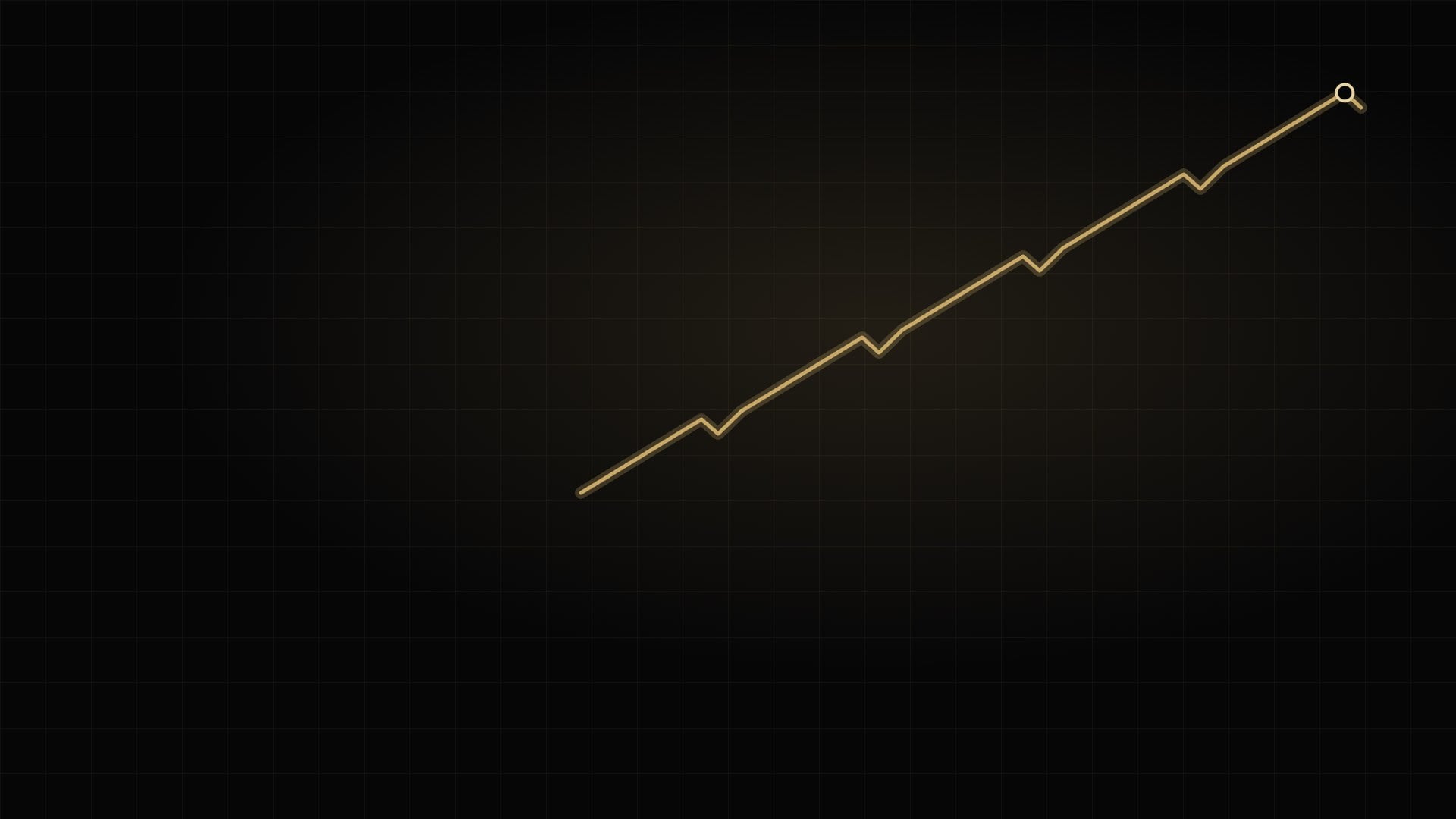
Log it before every session. Your coach reads it, your plan bends around it, and six months from now the graph tells a story no memory could.
Put the science to work
Train with the team behind the article, in the gym or from home.